
Does a crypto casino feel familiar? This investigation reveals a cloned network using misleading badges, fake partnerships and advance-fee tactics to trap deposits.
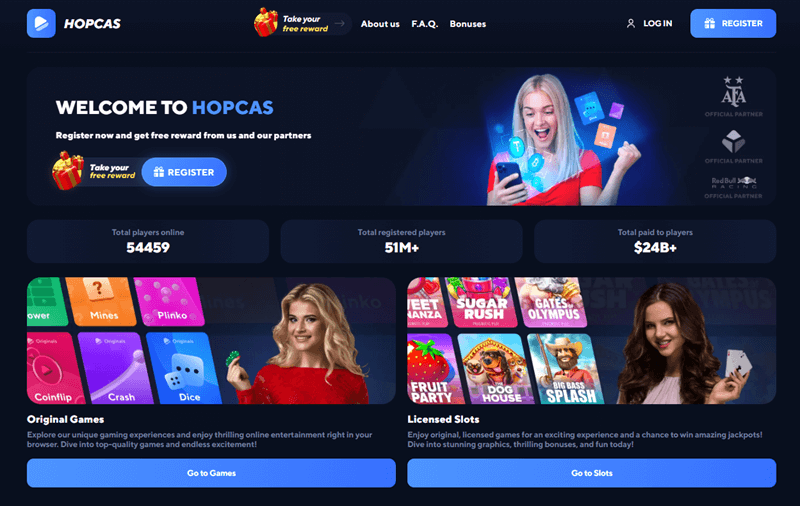
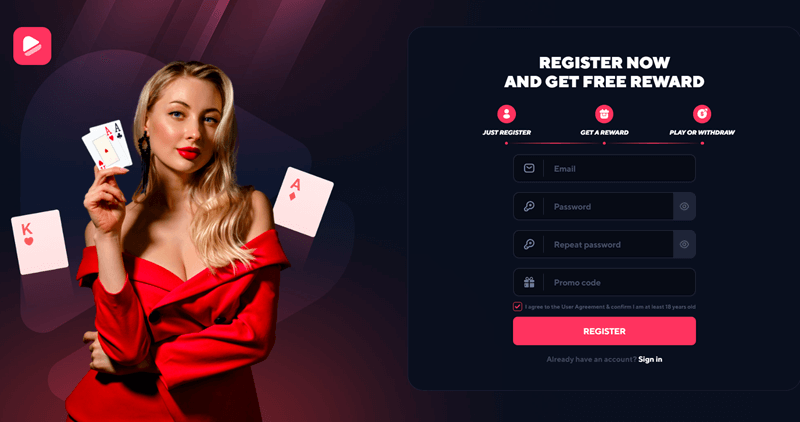
Over the past year, hundreds of fake crypto casino websites have appeared online, all built from the same blueprint. The names, domains, colours and fake sponsors change from one site to the next, but underneath they are the same website: identical layout, identical buttons, the same spade logo, the same wording, the same fake “live” statistics, and the same withdrawal trap. We have now linked over 350 domains to a single coordinated operation, and it keeps spawning new clones.
Each one claims to be a licensed crypto casino, yet the pattern never changes. Users are pushed to deposit crypto, then withdrawals get delayed or blocked, and the site asks for extra payments (fees, verification, VIP unlock) before releasing anything.
This article breaks down the shared fingerprints that tie the whole network together, across every colour variant, and shows how these sites are built to look legitimate while quietly keeping control of your money.
Whatever colour or fake sponsor a site uses, the same tells give it away every time:
The examples below are a small sample of the Crypto Clone Casino Network, which has launched thousands of near identical sites.
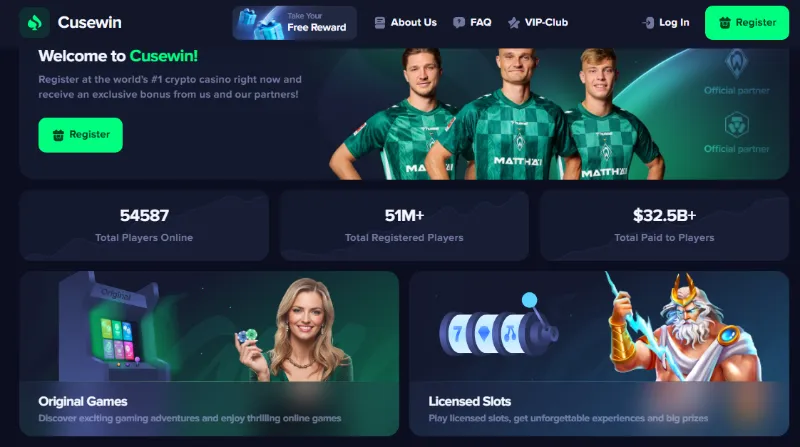
Every site shares the same structure, text and logo, but each one gets a new colour scheme and a new fake sponsor so it looks like a separate brand. Some pose as football club partners like SV Werder Bremen, others borrow the names of companies like Tesla or celebrities like Elon Musk and MrBeast. It is the same machine with a fresh coat of paint each time.
 777nova7oxbet7spiny8bitwinAcegamAlwauAnkaboxArgonexBakepexBeacoxBeasterox
 BeawexBedomexBeinaxBelewexBenozex
 BeorixBesobinBetenarBetenaxBetixupBetkaiBetzioBevexoBilepexBlockbetBofgugambBonepexBoozbetBorswin
 BozawinButerbetBvixgambCalowexCaolexCaoraxCaowaxCaozaxCasdomCasewinCeentxCentcasCentpluckCeromexCocawinzCoshopeCudewin
 CusewinDasewin
 DasowinDavowexDeezbet
 DeezwinDefigambDegomexDeinaxDissybetDoagoxDoarexDoecexDoterex
 DragoncasDrakelorEbletwexEegoxEgambElbeastonElixrollElongambElonsgiftElonxbetElonxplayEmcasEnybexEpicdropsEronbetEspinEswesEswouExspaceExtrspedFaexbetFailaxFaodex
 FaomaxFaoraxFaovax
 FasowinFedonexFerwexFirstgambfirstgamb.ccFirststageFirstxmuskFitowexFloatwinFly4winFoarexFortune-StakeFranoplayFudomexFudowexFunixbetFuokexFuzenexGamespaceGaohuxGaolexGasewinGawuxGedonexGeidexGeobetGermibetGeropexGerotexGerspinGezorexGlobalaxisvxGlobalynGlowspinGoebuxGoferexGoldclonGomerexGozawinGtgambGurodexGuwauGuwaxGyowinHasobetHasobinHavowexHellixgameHeoduxHeoraxHesobetHeuvux
 HopcasHopegexHurewinHusewinHuwomexHypomexIcespinImperialJackJangkautotooJatroxJegowexJenowexJesowex
 JetmystKai-SinoKaiwaxKasewinKatagexKazewinKedowexKegodexKepovexKezopexKitomexKitopexKoadexKoanax
 KobaltcoinKotbetLaonexLeirexLeromexLerotexLewyconLimopexLucklexLumexoLupenaxLuragambLurodexMakepexMegasuperbonusMenbetMetugambMgambMidasdepMitofexMixwexMolewinMurodexMuskbetxMvspinsMygambNeidaxNeiwexNemawexNemscasNensenwin
 NesobexNesvexNexushallNimcas
 NiolaxNonspaceNorowinNotkasNovabetNozawinNuotoxNusewinOgcentOnegambonegamb.ccOnexmuskOnivxOogexoPaowaxPearwexPerotexPidorwexPilexoPiowaxPlanetraPlaylexBetPlaymuskPodamaxPokoplayPotawinPowedexPrimewinnersPuregambRapidchainRay2playRazerbetReahoxRebogambRetykaRevodepRevumexRexawinRimcasinoRoaraxRolexspinRollsyRongamblerRouletherRoxlexRoyalluckSagambSaivexSaiwaxSeilaxShuffexSnellpe
 SoakwinSobgambSogambSonegexSopewex
 SorewinSoxugambSpacegambSpacegaxSpielraumSpincrazeSpineticSpinix-PlaySpinstormSpintrexSpinverseStake-WorkStatibetSutwinTalewexTanawexTasowinTeivexTenydexTeodax
 TepdexTepomexTesloplayToalaxToawexToferexTornadoSpinTosowinTurewinTusewin
 TustwinTuwomexTwogambUpgambUsexgambUziwinVaefuxVagowexVaiwaxVaovexVasewinVaziwexVeivexVelspinVerionbetVezopexVgambVimewinVinerex
 VinewinVinexo
 Virewin
 VitewinVurewinVusewin
 VyrobetWalotusWasobinWedomexWeespinsWegofexWezowinWhitegambWibexplaysWinelsWinturbojackWolexbetWomtexXegambXertabetXgamb
 XgameonYoawinYolonexusYuppwinZalewexZalupixZavewinzavewin.ccZazawinZeaduxZinexoZurhgambZyrowin
A review of these crypto casino websites reveals a set of clear, repeatable fingerprints that appear across every domain in this group. These similarities go beyond design choices and point to a single coordinated scam network reusing the same website template and logo rather than independent casinos operating on their own.
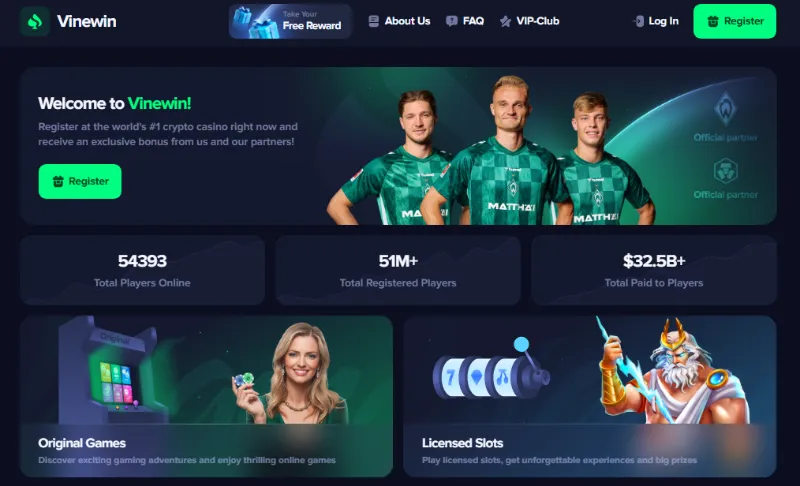
Depending on the colour variant, a clone presents itself as an “Official Partner” of a football club such as SV Werder Bremen on the green skin, or it puts the face of Elon Musk, Tesla or MrBeast across the page on the blue and other skins. The green version uses polished banners of players in green jerseys to look credible. It is the same trick every time: borrow a trusted name so the site feels real.

Public partner listings and official communications from the club show no connection between SV Werder Bremen and any of these crypto casinos. There are no announcements, press releases, or verifiable references supporting the partnership claims. The images used appear to be repurposed promotional material, presented in a way that misleads users into assuming endorsement.
Rather than relying on live data feeds, these sites display static statistics hardcoded into the website code. The same figures appear across multiple casino brands and do not change based on real activity.
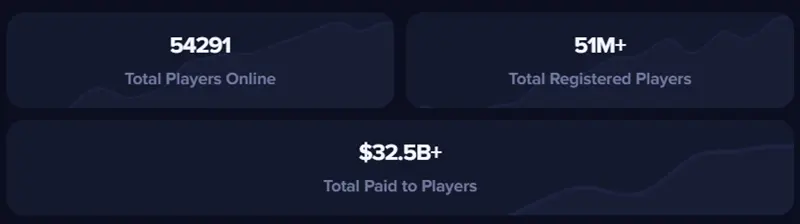
Common examples include:
For newly registered domains, these numbers are not credible. They are used to simulate popularity and scale, making the platform appear established and heavily trafficked.
Each site includes a statement claiming the casino has been operating since 2017, often describing itself as an early innovator in blockchain based gambling. The wording is reused across brands, with only the casino name changed.
Domain registration records directly contradict this claim. Most of these domains were registered a few months ago, years after 2017 and show no historical footprint to support long term operation. The date is used to project longevity and stability, not to reflect reality.
The contact sections of these websites follow the same pattern. Multiple departments are listed, yet all point to a single support email address (support@domain.com), changing only with the domain name.
In practice, this setup results in:
At the same time, key compliance links such as Privacy Policy, Terms of Service, and AML Policy frequently redirect to the homepage or fail to load entirely. For platforms claiming to be licensed gambling operators, this lack of functional documentation is a serious warning sign.
These scam casinos display a Curaçao Gaming Control Board badge often linking visually to cert.gcb.cw, and show a Hub88 Preferred Aggregator badge even though no verifiable relationship can be confirmed.

On legitimate gambling platforms, this badge leads to a regulator hosted verification page confirming the operator’s license.
Here, the badge functions only as a static image. It does not verify the casino’s legal entity, license number, or operating status. The badge is used to suggest regulation without providing proof.
This casino network follows a well known but highly effective advance fee fraud model, adapted specifically for crypto gambling platforms. Rather than stealing funds immediately, the operation is structured to build trust first, then apply controlled friction at the withdrawal stage to extract additional deposits.
The process is consistent across the sites reviewed and shows signs of being automated at the backend level, not handled manually on a case by case basis.
Victims are primarily funneled to these casinos through social media advertising and direct messaging campaigns. Common entry points include short form video platforms such as TikTok and Instagram, as well as private Telegram messages and group promotions.
The marketing content often relies on:
The goal at this stage is not subtle persuasion but speed. Users are pushed to register quickly before skepticism has time to set in.
Once registered, the platform behavior changes noticeably. New accounts often receive a large bonus balance or experience an unusually high win rate during early sessions. Losses are minimal, and winnings accumulate quickly.
At this point, many users believe they have already beaten the system and are dealing with a legitimate casino.
The scam activates when the user attempts to withdraw funds. Instead of processing the request, the system returns an error or places the withdrawal into a pending state.
Shortly after, support intervenes with a scripted explanation. Basically, the user is told the balance is real but its access is conditional. To “unlock” the withdrawal, the user is often instructed to send additional cryptocurrency. These payments are framed as temporary or refundable requirements, but they are neither.
Typical demands include:
Once paid, the withdrawal remains blocked. A new requirement is introduced and the cycle repeats, or support stops responding entirely.
This approach succeeds because it avoids immediate confrontation. The victim believes the money already belongs to them and sees the extra payment as a final administrative step rather than a new risk.
Because cryptocurrency transactions are almost irreversible, the operator faces little resistance once the payment is sent. The same logic can then be repeated indefinitely until the victim stops engaging.
The casinos reviewed do not operate as legitimate gambling platforms. They are cloned websites built on the same infrastructure and run as part of a single coordinated scam network.
None of these sites provide verifiable gaming licenses, none have any legitimate affiliation with SV Werder Bremen, and none demonstrate a functional withdrawal system.
If funds have already been deposited, sending additional payments to resolve verification issues, unlock withdrawals, or upgrade account status will not result in a payout. These requests are part of the scam mechanism and only lead to further losses.
With the same structure repeatedly resurfacing under new domains, recognizing these warning signs remains the safest form of protection.
No. They use fake licensing information, stolen imagery, and rigged software. It is part of a known network of scam sites designed to steal deposits.
Because it is the same operation reusing one template. Each clone swaps in a different logo, colour and fake sponsor so it looks like its own brand and slips past simple name searches, but the underlying site stays identical.
No verifiable gaming license can be confirmed for any of the casinos in this network. While they display regulatory badges, these do not link to valid license records.
Withdrawals are intentionally restricted as part of the scam. Users are asked to send additional payments for verification or taxes before withdrawals are supposedly unlocked.
Stop all communication with the site immediately and do not deposit more funds. Report the website to your local cybercrime authority and change your passwords if you used the same one on the scam site.